
From Layers to a Color Feast: The Evolution of Multicolor 3D Printing and the Story of Formasupra Bookmarks
- Aug 26
- 3 min read

Those who remember our early days in the world of 3D printing know that desktop production was for a long time confined to "a single color and a single spool." Yet our imagination was never monochrome. Today, multi-color and multi-material 3D printing technologies have radically changed design processes, transforming our studios into miniature production factories.
Let's take a look together at this colorful journey, from the painstaking trials of the past to the high-speed, mind-altering systems of today, and behind the scenes of the production of our Formasupra bookmarks.
Printing in Multicolor Back in the Day: Patience, Time, and Lots of Waste
In the past, seeing different colors on a single model was quite a test of patience:
Manual Layer Change: In slicing software, a "Pause" command was added at a specific height, a watchman would stand guard over the printer, and the new color filament would be manually loaded the moment the machine stopped. This method only allowed color gradients in horizontal layers, making it impossible to use multiple colors in the same layer.
First Generation Dual Extruders: Early systems housing two nozzles in the same block frequently led to printing errors due to oozing/stringing (one nozzle leaking into the print while the other cooled) and calibration difficulties.
Significant Time Loss and Risk: Even the slightest filament malfunction could ruin hours of work.
The Rise of Filament-Switching Systems
In recent years, integrated multi-material systems (AMS, etc.) from brands like Bambu Lab have made multi-color printing incredibly accessible to the end user.
These systems feed 4 to 16 different filaments sequentially through a single nozzle, cutting and cutting them in sequence. While this approach produces excellent results, it requires the creation of a purge tower/purge poop to clean the old color from inside the nozzle with each color change. In complex models with frequent color changes, the time and amount of filament spent on the cleaning process can sometimes exceed the weight and production time of the model itself.
A New Era in Speed and Efficiency: Mind-Changing Systems
This is where independent dual extruder (IDEX) or toolchanger architectures like Snapmaker come into play.
Instead of constantly retracting and cleaning a single nozzle, having each color or material waiting in its own ready-to-use print head takes the process to a whole new level:
Zero Cleaning Waste: While one print head is being moved aside, the other continues printing directly; eliminating the need for massive cleaning towers.
High Speed: Significant time savings are achieved by skipping the steps of filament retraction, cutting, reloading, and nozzle cleaning, and directly passing the filament through the print head.
Material Freedom: Materials with different melting points and properties can be seamlessly combined in the same model without contaminating each other.

How are Formasupra bookmarks made?
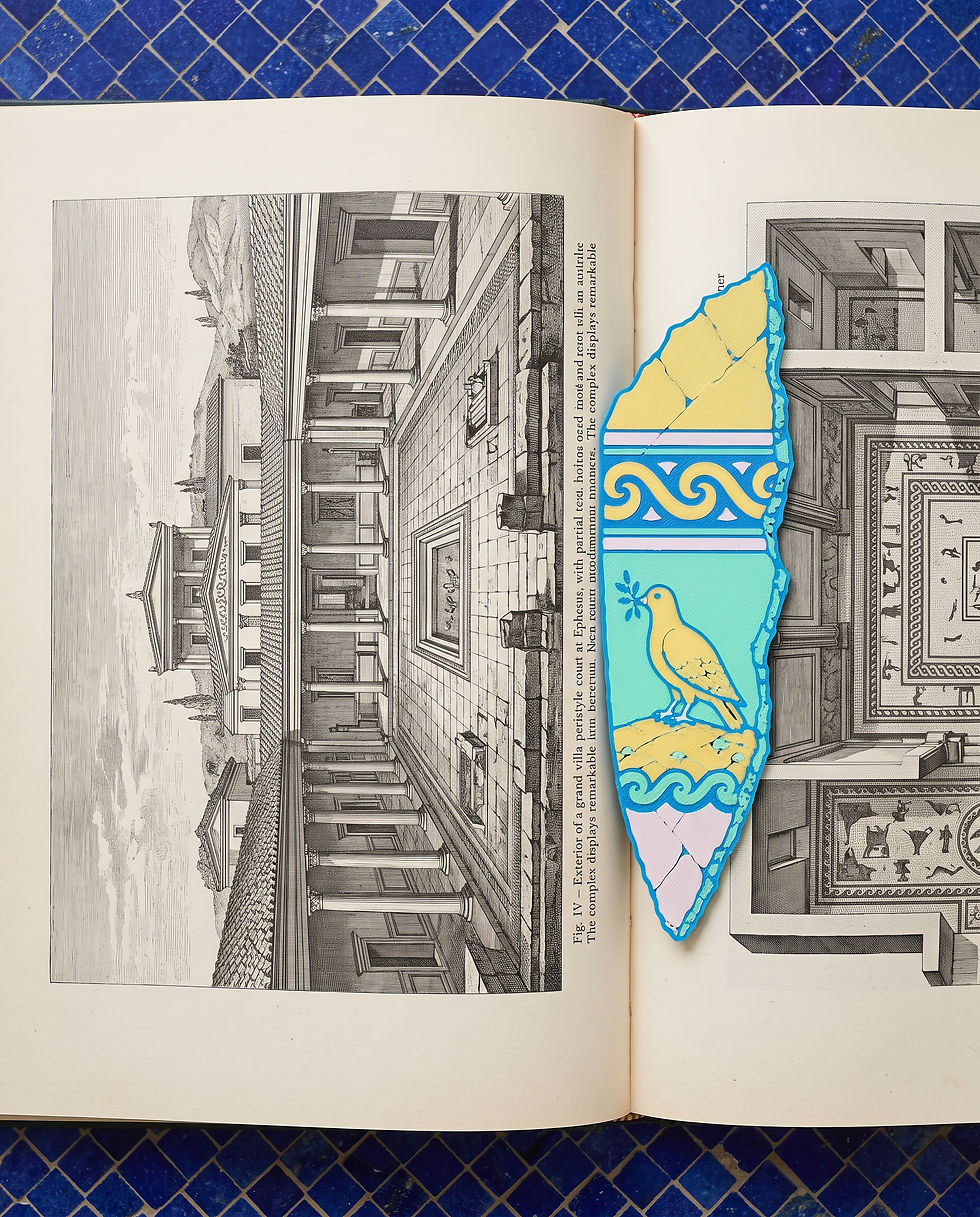
At Formasupra design studio, form, texture, and color balance are always central. We also utilize these advanced manufacturing technologies in our 3D-printed bookmark series, designed for bookworms and design enthusiasts.
4-Color Detailed Surfaces: We bring the graphic language and architectural/sculptural transitions in our designs to life with vibrant layers composed of 4 different colors .
Fast and Mass Production: Thanks to the printhead technology used in these separators, which have a thin and precise geometry, the layer transfer of each color is completed in seconds. This allows us to achieve much faster printing times without compromising detail quality.
Expandable Color Palette: While 4 colors work wonders in our standard production, we can take the color scale much further in special collections by using different multi-material modules, external feeder units, and hybrid vehicle combinations.

Looking to the Future
3D printing is no longer a gray and monotonous world of prototyping; it's a dynamic production space where design objects directly take their final form and true colors. When we combine the right technology with the right design, layers cease to be mere production lines and transform into a visual narrative.


Comments