
The Dance of Colors in a Single Print: Next-Generation 3D Printers and the Birth of a Bookmark
- Aug 27
- 3 min read

For a long time, the 3D printing world was dominated by monochrome, prototype-like designs. However, technology is rapidly evolving, and now we can produce our designs with full-color prints without needing brushes or paint. This method, called "multicolor 3D printing in a single print," transforms the colorful world of the digital realm into physical reality, layer by layer.
So, how exactly does this fascinating process work, and what changes is it bringing to the design world?
What is Multicolor Printing?
Multicolor 3D printing is the process of producing an object in a single pass using multiple colors of filament (plastic thread) during the manufacturing process. When the print is complete, the object emerges from the build plate in its natural colors, ready for use, rather than appearing as if it were painted afterwards.
Old-Style Multicolor Printers vs. New Generation Head-Changing Systems
The history of multicolor printing was actually quite arduous. Older systems typically worked by pushing different colors sequentially through a single nozzle (print end) or by using two different print heads side-by-side. This led to color mixing, oozing of melted plastic from the print head, and significant material waste due to the need to build enormous "purge towers" with each color change.
The new generation of tool-changer printers has completely revolutionized the game. These systems feature independent print heads designed for different colors. Just like a surgeon putting down their scalpel and picking up their forceps on an operating table, when they're finished with one color, they return that head to its socket and move on to the next color head. The result?
Zero color mixing,
Much sharper details,
Minimum material waste and
Flawless surface quality.

From Algorithm to Reality: How Formasupra Bookmarks Were Born?
When the possibilities offered by this new generation of technology are combined with the power of algorithmic design, the result is not just an object, but a story. The production journey of Formasupra bookmarks is a special process that brings together the boundaries of the digital world with the touch of the physical world:
Algorithmic Design and Depth Mapping: It all begins with the preparation of an image. Using special algorithms, a depth map is extracted from this 2D image. Thanks to this map, a flat image is transformed into a relief object with perceptible thickness.
Coloring in the Slicer: Once the design is three-dimensional, colors come into play. Since our current production infrastructure is suitable for changeable printhead systems that can print 4 different colors at once, the model is transferred to the slicer software and meticulously "painted" according to the 4 colors.
Single-Pack Production: The print file is sent to the printer. The new generation 3D printer builds the divider layer by layer, in a single pass, creating seamless color transitions.
Final Touches and Packaging: A light sanding process applied to the surface of the bookmark removed from the tray perfects the texture of the material. Then, each bookmark is carefully packaged to meet its reader.
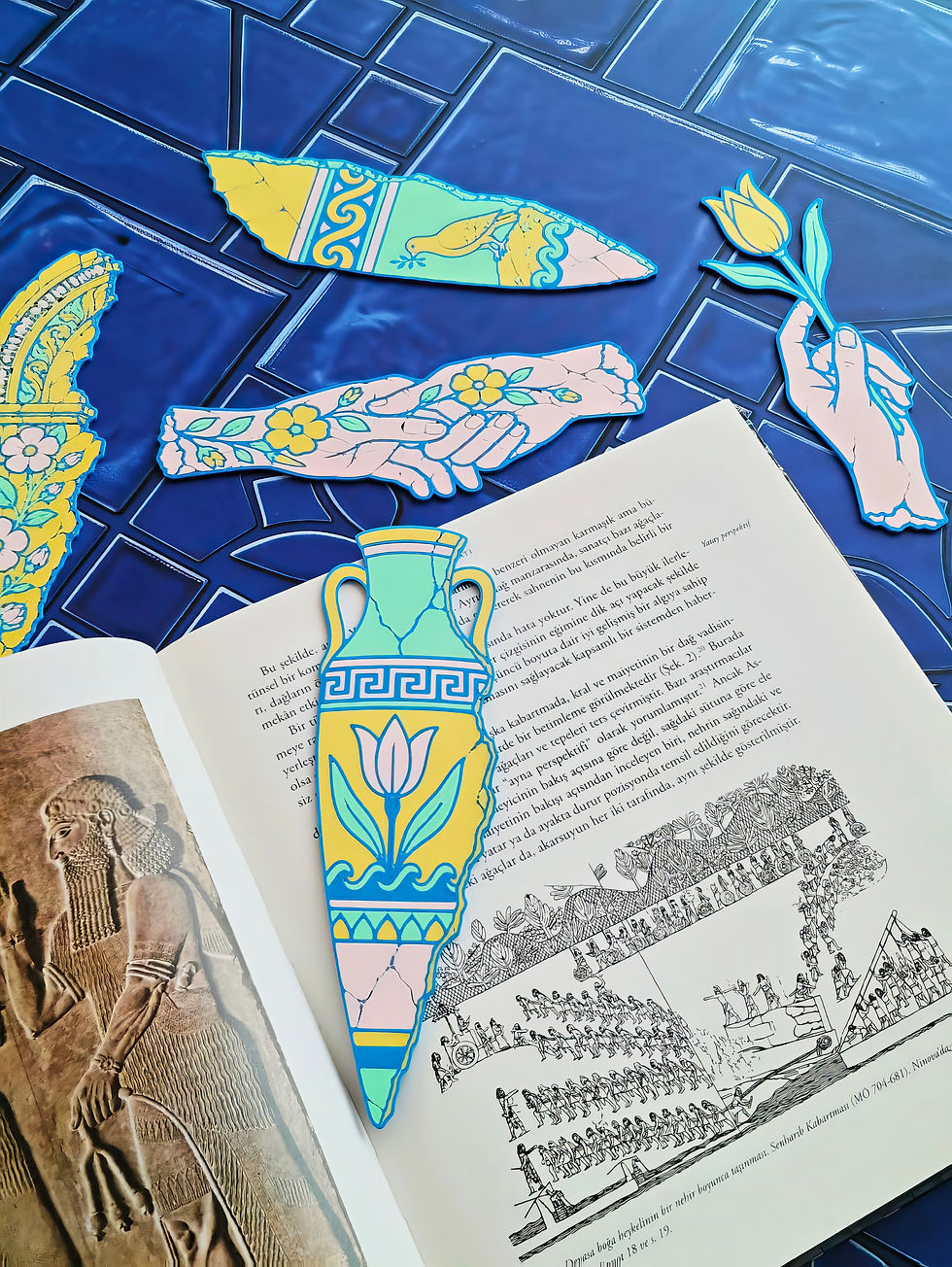
Your Nature-Friendly Companion Between the Pages
At the heart of this entire advanced production process lies an environmentally friendly material: PLA (Polylactic Acid) .
Made from bio-based ingredients such as corn starch and sugarcane, this special bioplastic adds not only form and color but also a sustainable spirit to Formasupra bookmarks. Your companion that falls asleep between the pages when you close your book and greets you first when you return to reading is the most tangible manifestation of this algorithmic and eco-friendly journey.


Comments